
Grief Therapy in Echo Park
(for any type of loss)
In person in Echo Park. Online across California.
$175 for individuals. $200 for couples. In-network with Aetna.

Grief doesn’t go in a straight line
When you’re in the thick of it, you want a map and a timeline. That’s why the stages of grief are everywhere. Elisabeth Kübler-Ross built them watching dying patients, not grieving ones, and they were never validated as a path the bereaved actually walk. George Bonanno has spent decades showing that people don’t move through fixed steps at all. Some are remarkably resilient. Some recover slowly. Some carry a long grief that keeps no schedule.
So if you’ve been grading yourself on how far along you are, put the gradebook down. Sometimes the map is a clean line. Sometimes a spiral. Sometimes a scribble. Read my reflection on grief here.

Letting Go and Containment
Some of us find a way to let go. Some of us need to learn how to contain the grief.
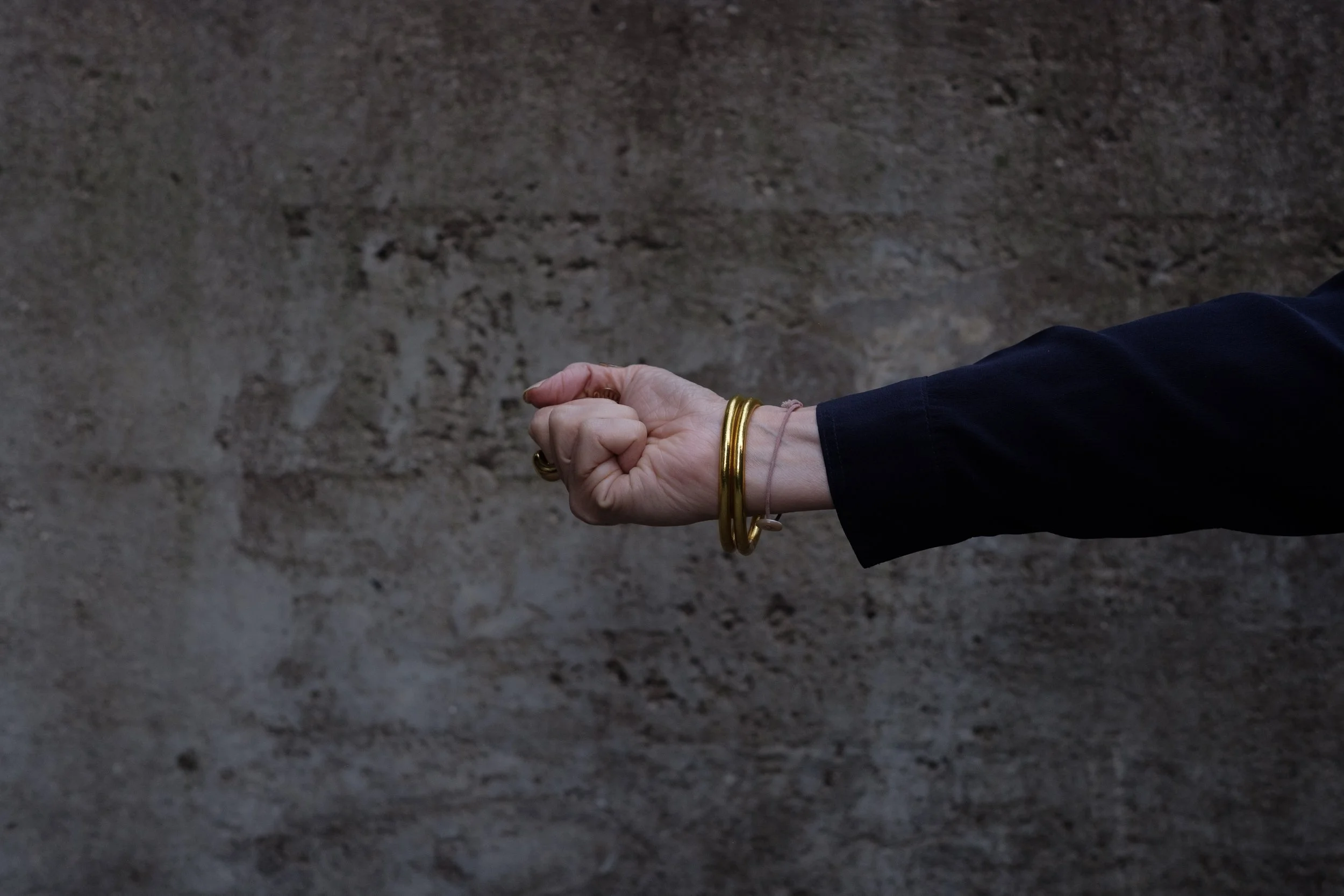
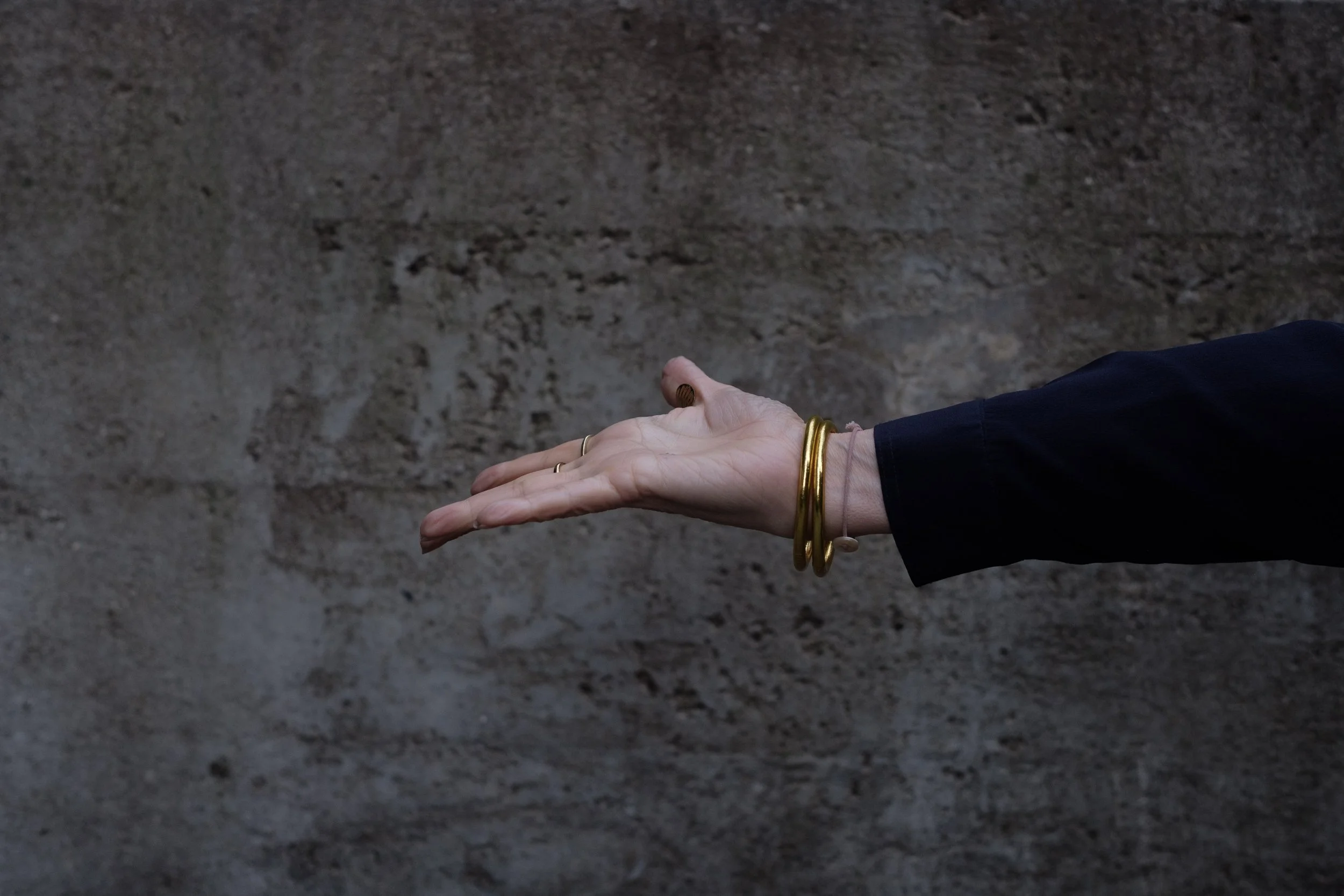

I make coffins out of clay, a tactile metaphor for letting go of or building internal boundaries around grief.
A container can do more than one job. Sometimes you use it to let something go. You write it down, you put it in, you close the lid, and that’s the end of it. More often, letting go feels impossible. We build a boundary around the grief so it stops running and intruding on our life. It gets a place, a time, and a lid. Then you can start relating to it instead of being flooded by it. Taking care of it.
A grief that gets taken care of eventually stops needing so much. That’s usually when it loosens.
In a 2014 study, Michael Norton and Francesca Gino found that performing a ritual after a loss measurably lowered grief, and it worked even for people who said they didn’t believe in rituals. The mechanism was a restored sense of control, which is exactly what loss takes.
Active Grieving

Most of us never stop to grieve life’s inevitable losses. Relationships, dreams, identities, homes, jobs, a sense of security, whole futures. Almost none of them come with a funeral or a day off. The grief piles up over a lifetime.
Active grieving is one answer, and it's simple. You make an appointment with your grief. Twenty minutes, a few times a week, on the calendar. When the time comes, you go all the way in, and you set a timer. When it ends, you close it on purpose and tell it you'll be back. You're dosing the pain instead of letting it choose the moment.
I make gravestones for the same reason. A gravestone is a way to stop. It says this happened and it was worth marking.
I use parts work alongside this. Grief changes you, and the part of you carrying it does better with attention than with pressure to move on.
These are part of The Cemetery of Losses, a prototype now and, one day, I hope, a permanent public place where people can grieve the losses we have no ceremonies for. You can see that work at ledaleda.com.